
Surprising Facts About Soursop
Some surprising facts about the soursop plant. Blog is not in-depth nor extensive however it offers beginner information about this wonder plant. Please do your due diligence in researching this plant before using.
HERBAL MEDICINE
9/14/20256 min read

Disclaimer:
I’m not a doctor—just sharing information I’ve learned about soursop. This blog is for general knowledge only and shouldn’t replace professional medical advice. If you’re thinking about trying soursop for health reasons, be sure to check with your doctor or healthcare provider first.
Soursop
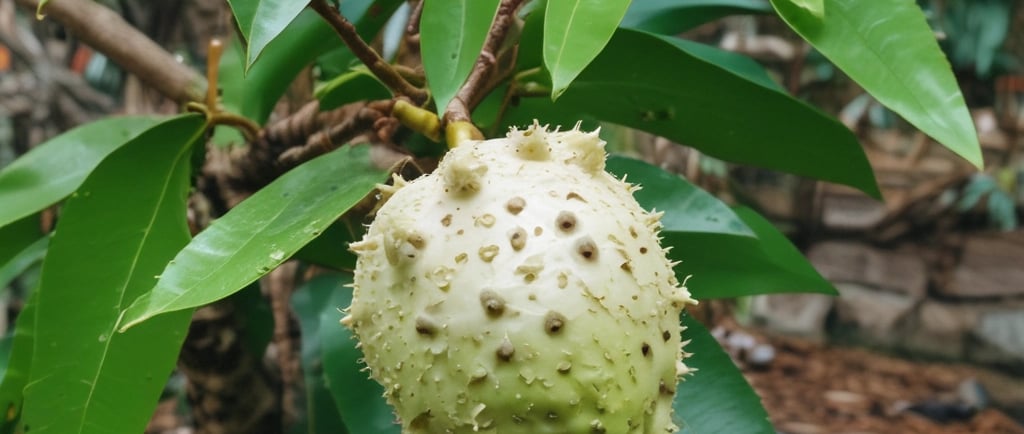
Soursop (Graviola, Annona muricata) is a fruit-bearing tree native to tropical regions of the Americas. Its fruit is large, green, and spiky with soft white flesh inside. For centuries, people in the Caribbean, South America, Africa, and Southeast Asia have used the fruit, leaves, and even seeds for food and natural remedies. Here are a few things you probably didn’t know about this amazing fruit
Nutritional Powerhouse
Soursop isn’t just tasty—it’s loaded with essential nutrients that your body needs for daily function and long-term wellness. A one-cup serving (about 225 grams) of soursop pulp contains roughly 148 calories, 38 grams of carbohydrates, 7 grams of fiber, and 2.3 grams of protein. Let's break that nutritional profile down even further:
Vitamin C (more than 30 mg per cup) – That’s about 35–40% of your daily requirement! Vitamin C is a powerful antioxidant that strengthens your immune system, supports wound healing, and helps your body absorb iron from plant-based foods.
Dietary Fiber (about 7 grams per cup) – Keeps digestion regular, balances blood sugar, and helps maintain satiety, reducing cravings between meals.
Potassium (about 626 mg per cup) – Important for heart health, muscle contraction, and maintaining healthy blood pressure levels.
Magnesium – Supports energy production, nerve function, and muscle health.
Iron – Aids in oxygen transport and helps prevent fatigue.
B Vitamins (B1, B2, B3, Folate) – Play a crucial role in converting food into energy, supporting brain function, and promoting healthy red blood cell production.
Soursop delivers a wide variety of vitamins and minerals in a single serving, making it an excellent way to nourish your body naturally. Unlike processed supplements, the nutrients in soursop come with fiber, water, and plant compounds that work together to support overall wellness.
Natural Remedies of the Leaves
While most people cherish the juicy pulp of the soursop fruit, the leaves of the soursop tree also hold medicinal properties that many may not realize. In traditional medicine across the Caribbean, Africa, and South America, soursop leaves have been treasured for centuries as a natural healing remedy.
Soothing Tea – The most common way to enjoy soursop leaves is as a warm, calming tea. This tea has been used to help ease stress, encourage better sleep, and promote relaxation—making it a natural alternative to store-bought sleep aids.
Digestive Support – Soursop leaf tea is also valued for its ability to support digestion. Herbal practitioners have used it to help relieve indigestion, bloating, and stomach discomfort.
Fever and Pain Relief – Traditionally, soursop leaves have been applied topically or brewed into medicinal teas to reduce fever, soothe pain, and calm inflammation in the body.
Anti-Inflammatory Effects – The leaves contain compounds like alkaloids and acetogenins, which researchers believe contribute to their anti-inflammatory and analgesic (pain-relieving) properties.
Potential Anti-Cancer Properties – Some laboratory studies suggest that compounds in soursop leaves may slow the growth of certain cancer cells. While these findings are still preliminary and mostly limited to test-tube and animal research, they have sparked interest among herbal experts and scientists alike. It’s important to remember that this does not replace medical treatment, but it does highlight the potential power found in nature’s pharmacy.
How to Use:
Brew 2–3 dried leaves in hot water for a gentle tea.
Combine with other calming herbs like chamomile or lemongrass for added flavor and benefits.
Always avoid overconsumption—herbal teas are best enjoyed in moderation.
The humble soursop leaf is more than just part of the tree—it’s a natural remedy with a long history of use and exciting potential for future health discoveries.
Great Antioxidant
Soursop is rich in antioxidants—natural compounds that protect your cells from damage caused by free radicals (unstable molecules that can harm cells and are linked to aging and chronic disease). By neutralizing free radicals, antioxidants act like your body’s defense system against oxidative stress.
Some key antioxidants found in soursop include:
Vitamin C (as we have already mentioned)– Not only boosts immunity but also shields your skin and tissues from oxidative damage.
Flavonoids – Plant-based compounds known for anti-inflammatory and heart-protective effects.
Tannins – Help fight bacterial growth and may support digestive health.
Alkaloids and Acetogenins – Unique compounds in soursop studied for their potential role in slowing down the growth of harmful cells.
Why this matters:
Antioxidants can lower your risk of chronic conditions like heart disease, diabetes, and even certain cancers.
They support brain health by protecting nerve cells from oxidative stress, which is linked to memory decline.
Antioxidants also play a role in skin health, slowing premature aging and helping your body repair tissue more effectively.
Traditional medicine often used soursop leaf teas and fruit extracts for healing wounds and reducing fever—benefits that modern science connects to its strong antioxidant activity.
Every delicious bite of soursop is like giving your body a natural shield against everyday stressors and toxins.
Respiratory Health
People often overlook herbal and plant-based remedies when it comes to caring for the lungs, but soursop has been valued in traditional medicine for its potential benefits in this area.
Anti-Inflammatory Properties – Inflammation in the airways can lead to symptoms such as coughing, congestion, and shortness of breath. Compounds in soursop, including acetogenins and flavonoids, have been studied for their ability to reduce inflammation, which may help soothe irritated respiratory passages.
Natural Expectorant – Some traditional remedies use soursop teas and infusions to act as a gentle expectorant, helping the body clear mucus and ease breathing.
Immune Boosting Support – Since soursop is rich in vitamin C and antioxidants, it may strengthen the immune system, enabling the body to better fight off colds, flu, and other respiratory infections.
Personal Testimonies – I recently heard a testimony from someone who shared that soursop helped calm breathing issues related to the virus during the pandemic. While personal experiences can’t replace scientific evidence, they remind us of the many ways people have found relief through this fruit.
Support Healthy Digestion
Soursop is a naturally fiber-rich fruit, and fiber is one of the most important nutrients for a well-functioning digestive system. Here’s why:
Keeps You Regular – The fiber in soursop adds bulk to the stool, which helps prevent constipation and supports a smoother, more regular digestive flow.
Feeds Good Gut Bacteria – Certain fibers act as prebiotics, nourishing the “good” bacteria in your gut. A healthy gut microbiome has been linked to better digestion, immunity, and even mood regulation.
Supports Weight Management – Fiber slows down digestion, which helps you feel fuller for longer. This can reduce unnecessary snacking and support healthy weight goals without making you feel deprived.
May Help Blood Sugar Control – Because fiber slows the absorption of sugar, eating fiber-rich foods like soursop may help steady blood sugar levels after meals, an important factor for both digestion and overall metabolic health.
Add some soursop to your diet as a snack, juice, or smoothie for a tasty way to give your digestive system a gentle, natural boost.
Possible Side Effects and Precautions
While soursop offers many potential health benefits, it’s important to understand that more is not always better. Like many natural remedies, soursop should be enjoyed in moderation. Here are a few things to keep in mind:
Neurological Concerns – Some research suggests that consuming large amounts of soursop or its teas over long periods may affect the nervous system. Certain compounds in the seeds and leaves (annonacin) could potentially contribute to nerve damage if overused.
Seeds Are Toxic – Never eat soursop seeds. They contain harmful substances that may be poisonous if ingested. Always remove seeds before eating or juicing the fruit.
Pregnancy and Breastfeeding – Safety data is limited for pregnant or nursing women. Because of its potency, it’s best to avoid concentrated soursop products during these times unless advised by a healthcare provider.
Medication Interactions – Soursop may interact with medications for high blood pressure, diabetes, or depression, as well as certain antibiotics. Always talk with your doctor before combining soursop with prescribed treatments.
Digestive Sensitivity – In some people, soursop can cause nausea or stomach upset if consumed in large amounts. Start with small servings to see how your body responds.
The bottom line: Enjoying fresh soursop fruit, juice, or tea in moderation can be a safe and refreshing part of a healthy lifestyle. But if you have a medical condition, are pregnant, or are taking medication, check with your healthcare provider first.
A Must-Try Fruit
There you have it—fascinating facts about soursop that highlight its role as a sensational superfruit. Whether you're sipping on soursop juice, enjoying a refreshing smoothie, or even contemplating making a face mask, remember that you’re not just indulging; you are embracing the health benefits of this tropical treasure. So, grab that soursop and start reaping the rewards!